
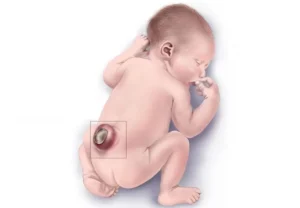
Spina Bifida

What is Spina Bifida?

Spina bifida is a congenital condition in which the spine and spinal cord do not develop properly during pregnancy. It occurs when the neural tube does not close completely, leaving a portion of the spinal cord exposed.

Causes

Spina bifida usually develops before birth and may be associated with genetic factors, nutritional deficiencies (especially low folic acid), or problems in early fetal development.

Symptoms

Common symptoms may include:

  • Weakness or paralysis in the legs
  • Difficulty walking
  • Problems with bladder or bowel control
  • Orthopedic issues, such as a curved spine

Diagnosis

Doctors can diagnose spina bifida through prenatal ultrasound, MRI scans, or physical examination after birth.

Treatment

Treatment depends on the severity of the condition and may include surgery, physical therapy, and long-term medical care to improve mobility and quality of life.

Frequently Asked Questions (FAQs)

1. What is Spina Bifida?

Spina bifida is a congenital birth defect in which the spine and spinal cord do not develop properly during pregnancy. The condition can range from mild to severe and may affect a child's mobility, bladder function, and overall development.

The exact cause of spina bifida is not always known. However, genetic factors, folic acid deficiency during pregnancy, and certain environmental factors may increase the risk.

Yes. Spina bifida can often be detected before birth through prenatal ultrasound examinations and other screening tests performed during pregnancy.

Symptoms vary depending on the type and severity of the condition. Common signs may include weakness in the legs, difficulty walking, bladder or bowel problems, and abnormalities of the spine.

Not every child requires surgery. Treatment depends on the severity of the condition. Some children may need surgical intervention, while others can be managed with supportive care and regular monitoring.

Many children with spina bifida can lead active and fulfilling lives with appropriate medical care, rehabilitation, and long term follow up from healthcare specialists.

Parents should consult a pediatric neurosurgeon as soon as spina bifida is diagnosed or if a child develops symptoms such as weakness, difficulty walking, bladder dysfunction, or other neurological concerns.

Treatment may include surgery, physical therapy, rehabilitation, and ongoing medical care. The treatment plan depends on the child's specific condition and individual needs.

Related Services